
It hardly seems possible that it’s been a year since I was fretting over whether or not to predict Best Picture nominations for The Tree of Life and Moneyball, but here we are again, and The Tree of Life and Moneyball have been replaced by The Master and Django Unchained. If you actually tried to read any of my Oscar season posts last year, you probably only finished a month ago, not just because they are tediously long and detailed, but because you inevitably tried to gouge your eyes out or inflict some other sort of bodily harm that required months of physical and psychological therapy to overcome. Let me just say that I’m glad you’re doing better. You were foolish to bother reading. I’m really just writing these things for myself. But if you’re a glutton for punishment, then this post is for you.
A couple of interesting things about this year’s Oscars before we get started. First, the Academy shifted their timeline this year. Nominations are usually announced later in the month, but this year’s date was set for January 15, then pushed up to January 10. It might not seem like a big deal to move the nominations up by two weeks or ten days, but when you consider how crowded the end of the year is with pedigree films, the condensed timeline puts increased pressure on Academy members to see all the movies in even less time. It was challenging enough before, just given the glut of contenders that come out of the gate in November and December (an exasperating problem in and of itself, which I’ve talked about before), but now with ballots due back to the Academy on January 3, voters would have to cram even harder…or just not bother seeing all the contenders. It’s the smaller, lower-budget movies that will be neglected, as more members probably sought out the hyped late releases like Django Unchained and Les Misérables. The award ceremony itself will still take place at the end of February, creating a much longer period between the announcement of the nominees and Oscar night. Voting for the awards won’t even start until February 8. The Academy justified the move by saying that voters and the public will now have more time to see the nominated films. But doesn’t it make more sense that voters be given time to see as many movies as possible before selecting who they want to nominate? Ideally, by the time the nominees are announced, Academy members should already have seen the nominated films…because they surveyed the field and decided what to nominate. But alas, I should know better than to invoke logic when it comes to Hollywood. As the Grande Dame of awards shows, the Oscars rule the season, and any changes to its timeline set off a chain reaction among other award-bestowing bodies.
The other unknown this year just reared its head recently. This is the first year that the Academy has offered e-voting as an alternative to paper ballots, and word emerged over the holidays that voters who had opted for that system were experiencing serious technical difficulties. Comments from Academy members collected by The Hollywood Reporter indicated that some of them might just give up out of frustration and not vote at all. Older voters who are less computer-savvy might be in this boat, although a follow-up story in the Reporter cited younger members like Morgan Spurlock as running into problems. This may be blown out of proportion and turn out to have little impact, but if it is legitimate, and if significant numbers of members skip voting, it could change the dynamic of the race, especially if those voters are the older faction who might tend to sway the nominations away from edgier material like The Master and toward more traditional fare like Les Misérables. Either way, the Academy extended the voting deadline by a day, to January 4. And I’m making my predictions on the assumption that this won’t be a big issue…that is, that the Academy will be just as old-fashioned as ever.
So with that said…here comes the hurt.
BEST PICTURE
Argo
Beasts of the Southern Wild
Django Unchained
Les Misérables
Life of Pi
Lincoln
The Master
Moonrise Kingdom
Silver Linings Playbook
Zero Dark Thirty
Best Picture remains a particularly tricky guessing game since there could be anywhere from five to ten nominees, depending on how many people vote and how they rank their selections. According to Steve Pond, the expert Oscar data guru who writes for TheWrap.com, a small but passionate group of supporters can be enough to lift a movie into the Best Picture race (though actually winning the award takes broader consensus). Given that last year saw a field with nine nominees, and it was widely considered to be a weak year for movies, I’m betting that the stronger slate from 2012 will max the category out at the full ten. Then again, Pond proposes that with so many viable choices, the votes could be so spread out that fewer films will hit the number they need to secure a nomination.
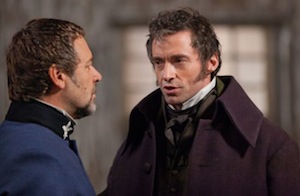 Back in the days of five nominees, we’d almost certainly have Argo, Les Misérables, Lincoln, Silver Linings Playbook and Zero Dark Thirty. I figure that Life of Pi and Moonrise Kingdom are close behind, which leaves three potential nominees and six movies that would seem to have a reasonable shot. I’m uncertain how Paul Thomas Anderson’s The Master will fare with Academy members. It’s a critical darling, but is it too esoteric for the Academy? They embraced There Will Be Blood, which was tonally and even thematically similar, but The Master lacks that film’s catharsis, and its ambiguity has frustrated many viewers. Still, I think the contingent of voters that rallied behind The Tree of Life last year will also place The Master high on their list.
James Bond’s latest adventure Skyfall earned a surprise nomination from the Producer’s Guild of America, but that body tends to include a few smart popcorn movies that did big box office. Admired as Skyfall is, I don’t see the Academy embracing it as a Best Picture nominee. Nor are The Dark Knight Rises or The Hobbit: An Unexpected Journey likely to make to the cut, even though the Academy’s failure to nominate the former’s 2008 predecessor is understood to be one of the reasons the category was expanded to more than five nominees in the first place, and even though the latter’s trio of predecessors were all nominated for Best Picture. Neither 2012 entry in these respective series were quite as admired, and without the PGA nomination, chances for Best Picture recognition from the Academy are slim to none.
Django Unchained has been a consistent presence on critic’s awards lists, and though it doesn’t seem like typical Academy fare, the same was true of Inglourious Basterds, which did extremely well in 2009. We’ll see if controversy over the film’s depiction of slavery derails its chances here. There’s also last summer’s low budget indie sensation Beasts of the Southern Wild, a highly original fable that has captivated critics and, like Django, been a fixture on critics’ lists.
I’m neglecting to include The Best Exotic Marigold Hotel among my final picks. This sweet but slight early summer release has apparently remained a favorite of many Academy members and could displace The Master, Django or Beasts (I think the other seven are safe). It managed Screen Actor’s Guild nominations for Best Ensemble Cast (the guild’s equivalent of a Best Picture award) and a Supporting Actress nomination for Maggie Smith, as well as Golden Globe nominations for Best Musical/Comedy Picture and Best Actress in a Musical/Comedy for Judi Dench. With actors making up the largest voting branch of the Academy, the SAG nominations can be a good indicator, and Marigold did well there whereas Django and Beasts went un-nominated. But Beasts was ineligible for SAG recognition due its use of non-SAG actors, and Django, as one of the last films of the year that was ready for screening, may not have been seen by enough SAG voters in time for their mid-December nominations. So watch out for Marigold.
Personal: Argo, Django Unchained, Les Misérables, Lincoln, Moonrise Kingdom, Silver Linings Playbook, Zero Dark Thirty
BEST DIRECTOR
Ben Affleck – Argo
Kathryn Bigelow – Zero Dark Thirty
Tom Hooper – Les Misérables
Ang Lee – Life of Pi
Steven Spielberg – Lincoln
Affleck and Bigelow are the two locks here, and most would probably say the same about Spielberg and Hooper, though I could see either of them becoming the category’s big “snub” – Hooper because Les Misérables seems to have as many detractors as it does supporters, and Spielberg because as good as Lincoln is, his guiding hand might be overlooked in favor of the movie’s stellar acting and writing. Lincoln is sure to be a big player this year, but if Spielberg were left out in the cold, it wouldn’t be the first time; famously, The Color Purple‘s 11 nominations did not include one for its director. Just this morning, the British Academy of Film and Television Arts announced their nominees, and although Lincoln led the field with 10 nominations, Spielberg was passed over. But I don’t think he’ll be shut out tomorrow. (Incidentally, Les Misérables followed Lincoln with nine BAFTA nominations, but like Spielberg, Tom Hooper was overlooked. Instead, Tarantino and Michael Haneke joined Affleck, Bigelow and Lee.)
 So if I’m right about Spielberg, Hooper, Bigelow and Affleck, who gets the fifth spot? I’m going with Ang Lee for his admired tackling of a story that was deemed by many to be unfilmable. But there are a few others in play for a nomination. David O. Russell is nipping at the edges for his assured work on Silver Linings Playbook, and the strength shown by Django Unchained places Quentin Tarantino in the conversation. In a category that often recognizes a Hollywood outsider or someone with a less mainstream, more challenging or intellectual film to offer, do not count out German director Michael Haneke for the French film Amour, about an elderly couple coming to grips with the wife’s impending death. Unfortunately, Amour is one of the few movies in contention that I haven’t been able to see yet, so I can’t speak to it myself. (It opens in the Bay Area the day after the nominations are announced, and I didn’t have access to an early screening.) But based on the critical acclaim and awards its received so far, and the history of the Director’s branch, Haneke has an excellent chance. There’s also a possibility that Paul Thomas Anderson could nab that “auteur” spot for The Master. I’d love to say that Moonrise Kingdom director Wes Anderson has a shot too, but I don’t think he’s got much hope here.
My Best Director commentary would have ended there, but the Director’s Guild of America announced their nominees yesterday, and wouldn’t you know it, they chose the same five that I did. That gives me pause, since the DGA and the Oscar nominees rarely line up exactly. What to do? Nothing, I think. I’m taking my chances that this will be one of those uncommon years when the DGA and the Academy are aligned. But I’m probably wrong.
Personal: Ben Affleck, Wes Anderson, Tom Hooper, David O. Russell, Steven Spielberg
BEST ACTOR
Bradley Cooper – Silver Linings Playbook
Daniel Day-Lewis – Lincoln
John Hawkes – The Sessions
Joaquin Phoenix – The Master
Denzel Washington – Flight
The no-brainer nominee here is of course Daniel Day-Lewis for his astonishing performance in Lincoln. In a just world, he would be duking it out with The Master‘s Joaquin Phoenix when it comes time to pick a winner, but Phoenix’s once-assured nomination is now significantly less assured. That may be because the unfiltered, self-deprecating actor, previously nominated for Gladiator and Walk the Line, had some harsh things to say about the awards circuit back in October. The initial reaction to his comments was that he had just blown his chances (not that he cared, obviously). But almost immediately after that, there was a second wave of coverage pointing out that Phoenix’s comments might not be so harmful after all, since most of his fellow actors probably agree with him even if they wouldn’t say so quite as publicly or bluntly. I will add that Phoenix never mentions the Oscars specifically in his comments; rather, he was addressing the whole idea of campaigning for awards, and there are many stops on that trail before arriving at the Kodak Theatre. And while those remarks do include a point about the absurdity of pitting actors against each other, his general point was, again, more about the campaigning process. (And for what it’s worth, direct criticisms of the Academy Awards and the idea of actors competing against each other were voiced by Dustin Hoffman early in his career, as well as Sean Penn all throughout his; that didn’t stop the Academy from honoring each of them twice…nor did it stop them from accepting.) In another interview a few weeks later, Phoenix didn’t back away from this statements, but he did clarify them, acknowledging the benefit his career has received from past Oscar nominations. Phoenix wasn’t the only actor to decry the process this season; Anthony Hopkins had similar things to say while promoting his film Hitchcock. But although there was a point a few months ago when Hopkins was thought to be in the mix for a nomination, his chances have faded away, and his remarks don’t appear to be a factor.
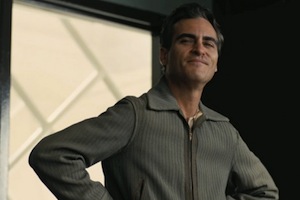 When the awards season began in early December, I expected Phoenix to collect a fair share of Best Actor mentions, but so far he’s only been cited five times (though several groups have nominated him or named him as a runner-up), whereas Daniel Day-Lewis has been recognized 23 times. Not that Day-Lewis is undeserving by any stretch, but I did expect Phoenix to come up more frequently, especially since his comments would have little bearing on how critics vote. Then when he was left off the Screen Actor’s Guild list of Best Actor nominees, that was shocker. Who knows if his comments came into play or not, but in the end, I think the Actor’s branch of the Academy will find his incredible performance hard to resist. Or maybe I’m just too hopeful to admit defeat.
Whatever happens with Phoenix, Best Actor spots for John Hawkes as a disabled polio survivor seeking to lose his virginity in The Sessions and Denzel Washington’s troubled pilot in Flight are safe bets. Vying for the remaining slot (or slots) are most likely Bradley Cooper and Hugh Jackman, who joined Day-Lewis, Hawkes and Washington on the SAG list (and both of whom, along with Phoenix, were nominated for the other three significant precursor prizes – the Broadcast Film Critics Association’s awards, the Golden Globes (given out by the Hollywood Foreign Press Association) and now BAFTA. If the other four performers make the cut, it’s tough to say whether Cooper or Jackman will be the lucky fifth. Both Silver Linings Playbook and Les Misérables have a lot of support and admirers. I worry that Cooper isn’t taken seriously enough yet as an actor to get the nomination, even though his performance easily deserves it. Jackman, on the other hand, has shown a command of drama, comedy, action, musicals…he can do it all, and his peers know it. He seems more “Academy-friendly,” which probably makes him a safer bet than Cooper. But I’m taking a chance – perhaps foolishly fueled by my own hopes for Cooper – and predicting that Jackman will just miss out.
A few other names have been floating around as possibilities, including Jack Black for Bernie and Denis Lavant for the French film Holy Motors, but I think the only person who stands a chance at a surprise break-in is Richard Gere for his captivating, understated performance as a wealthy financial manager under severe personal and professional pressures in Arbitrage. Gere has been around a long time, has never been nominated (he was the only major cast member of Chicago to miss out), and is highly regarded by his fellow actors. I don’t think he’ll be able to muscle into such a competitive category, but it’s not out of the question.
Personal: Bradley Cooper, Daniel Day-Lewis, Richard Gere, Joaquin Phoenix, Denzel Washington
BEST ACTRESS
Jessica Chastain – Zero Dark Thirty
Marion Cotillard – Rust and Bone
Jennifer Lawrence – Silver Linings Playbook
Emmanuelle Riva – Amour
Naomi Watts – The Impossible
This is a tough category to predict. Jessica Chastain and Jennifer Lawrence are sure things, but the other three are all vulnerable. They all come from films that are difficult to watch at times (or so I’ve heard about Amour, given its subject matter) and may not have been at the top of Academy members’ must-see lists in December…cause nothing says “holiday cheer” like tsunamis, leg amputations and the encroaching death of the elderly. Both Amour and Rust and Bone are French films, and performances in foreign languages often face an uphill battle. Of course, Cotillard won Best Actress a few years ago for a French film, so she has history on her side, not to mention the trifecta of nominations from the Screen Actor’s Guild, Broadcast Film Critics and Hollywood Foreign Press Association (and now BAFTA too). Plus she’s an international star by now, with a presence in Hollywood films like The Dark Knight Rises and Inception. Emmanuelle Riva has few of these advantages. She’s unknown in America, and she was overlooked by SAG and the HFPA (which is surprising, since you would think the Hollywood Foreign Press Association would be particularly attuned to performances in other languages). In her favor is that Amour has received a lot of attention, her performance has been universally hailed as a moving and beautiful piece of work, and she too got a BAFTA nomination today. If enough Academy members see the film, they may not be able to deny her.
Naomi Watts, like Cotillard, also has nominations from the BFCA, HFPA and SAG on her side, and she is certainly a known and respected actress in Hollywood. Her performance as a mother battered by the 2004 tsunami in Thailand has won several prominent admirers. Reese Witherspoon wrote a letter of praise to Watts, which was published in Entertainment Weekly, and Angelina Jolie hosted a screening of the film, applauding not just Watts, but also Ewan McGregor and the young actors who play their children. Such efforts by one actor on behalf of another can sometimes do the trick. Javier Bardem can attest to this; his longshot Best Actor nominations for Before Night Falls and Biutiful were likely both helped by support from such Hollywood luminaries as Winona Ryder and Jack Nicholson for the former, and Julia Roberts, Ryan Gosling and Sean Penn for the latter. On the other hand, Watts’ character spends a fair portion of the movie immobile and inactive. I don’t know if that will matter much, as she’s certainly moving and strong in her other scenes. But I could see it working against her, with voters perhaps feeling she doesn’t get to “do” enough.
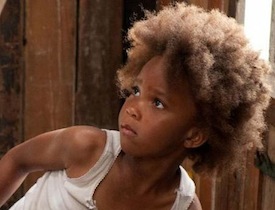 So if any of these ladies don’t come through, who else are we looking at? Top of the list is Quvenzhané Wallis (pronounced Kwah-VENN-Jah-Nay), who floored critics as Hushpuppy, the six year-old protagonist of Beasts of the Southern Wild. With no previous acting experience, Wallis anchored the film with an honest and natural performance that has had many predicting an Oscar nomination since the summer. I could definitely see it happening, but I have reservations. Her age, for starters. Child actors have been nominated before, but she would be the youngest ever, and at six years-old (when she made the movie; she’s now nine), will some voters feel that her performance, engaging as it is, isn’t acting so much as simply existing in a state of vulnerability and innocence that goes along with her age?
With SAG and Golden Globe nominations (and now BAFTA) to her credit, Helen Mirren has a shot for her performance in Hitchcock, but I don’t see it happening, maybe because it just seems undeserved to me. Mirren is solid in the film, but there’s nothing about her performance that stands out as one of the year’s best. If she makes it at the expense of Riva or Cotillard, it will be more about voters not seeing those actresses’ films than about Mirren’s actual work. Rachel Weisz received glowing reviews from critics for her work in The Deep Blue Sea, and she even won a couple of precursor awards and a Golden Globe nomination, but it’s a small film lacking the necessary buzz to attract enough viewers to carry Weisz to a nomination. Still, she could be one of the morning’s big surprises. It’s also possible, though unlikely, that Helen Hunt will sneak into this category for The Sessions. Fox Searchlight is promoting her as Best Supporting Actress, but several critics groups have nominated her in the lead category, and voters here could do the same. They tend to stick with the studio’s recommendation, but will occasionally go another way, as they did in 2008 when they nominated Kate Winslet for The Reader in the lead category rather than supporting.
Personal: Jessica Chastain, Marion Cotillard, Helen Hunt, Jennifer Lawrence, Naomi Watts
BEST SUPPORTING ACTOR
Alan Arkin – Argo
Robert DeNiro – Silver Linings Playbook
Philip Seymour Hoffman – The Master
Tommy Lee Jones – Lincoln
Christoph Waltz – Django Unchained
The list of nominees in this category could easily match my predictions, but there is so much strong work in the running that plenty of other names could work their way in as well. Arkin, Hoffman and Jones have each been nominated by SAG, the HFPA, the BFCA and BAFTA, and the bulk of the critics awards so far have been split between Hoffman and Jones. So those two are well positioned, and Arkin is almost certain to be there as well. The remaining two slots are fairly open. DeNiro was left off the list of Golden Globe and BAFTA nominees, but scored with SAG and the BFCA. Waltz, meanwhile, only got the Golden Globe nomination, but has been cited by several critics groups as the season has gone on, and scored BAFTA recognition today. Waltz is also competing with his co-star Leonardo DiCaprio, who also got a Golden Globe nomination and could just as easily make the final five. Javier Bardem surprised many with SAG and BFCA nominations for his playful, determined villain in Skyfall, and while I don’t expect he’ll make it in the end, Bardem should never be written off. (He got the BAFTA seal of approval today as well.) Then there’s Matthew McConaughey, who had a banner, career-resurrecting year with excellent performances in Bernie, The Paperboy, Killer Joe (or so I’ve heard; haven’t seen it yet) and the one for which he’d most likely be nominated, Magic Mike.
That’s the pool from which the final five will probably be pulled, but there are a number of other actors who could conceivably pop up, either fueled by widespread critical acclaim or general admiration for their movies. That list includes Dwight Henry for Beasts of the Southern Wild, John Goodman for Argo, Jason Clarke for Zero Dark Thirty and Ewan McGregor for The Impossible. None of them have the momentum they would surely need to break through, but they have just enough spoiler potential to keep things interesting. In addition to all the actors mentioned so far, I could name another half-dozen, at least, who are worthy of recognition in this category. Michael Fassbender in Prometheus, Jim Broadbent in Cloud Atlas, David Oyelowo in The Paperboy, Benicio del Toro in Savages, Guy Pearce in Lawless, Scoot McNairy in Killing Them Softly, Ezra Miller in The Perks of Being a Wallflower…none of them have a chance in hell, but along with all the people with better odds, their work shows that when it comes to Supporting Actors, there’s been an abundance of riches this year.
Personal: Jason Clarke, Robert DeNiro, Philip Seymour Hoffman, Ewan McGregor, Christoph Waltz
BEST SUPPORTING ACTRESS
Amy Adams – The Master
Sally Field – Lincoln
Anne Hathaway – Les Misérables
Helen Hunt – The Sessions
Maggie Smith – The Best Exotic Marigold Hotel
Despite minimal screentime, Hathaway has dominated the critics awards so far, and is a sure bet here. (Her well-reviewed performance in The Dark Knight Rises doesn’t hurt.) Sally Field and Helen Hunt are on equally solid footing, allowing for the small chance that voters will elevate Hunt to Best Actress. There’s also the possibility that if enough votes do place her there, she could fall short in both categories and wind up out of it altogether. But I expect she’ll make it, and that she’ll remain in the Supporting category. Amy Adams has been a mainstay on critics’ lists of nominees, but her performance is subtle and comes in a movie that, as I mentioned in the Best Picture section, may or may not find favor with Academy members. Her omission from the SAG nominees also makes her a bit vulnerable. Still, the Academy loves Adams. She’s been nominated three times since 2005, and in two of those cases I incorrectly predicted she would be overlooked. I won’t make the same mistake again…which probably means she’ll be overlooked. But I’m sticking with her anyway. She got a boost today from BAFTA, and could also be helped by the good notices she earned as Clint Eastwood’s daughter in the baseball drama Trouble with the Curve.
That just leaves Maggie Smith, who is by no means a sure thing. She did get a SAG nomination, and as I said, I’ve read that The Best Exotic Marigold Hotel has been resonating with actors, a fact that is also evident from the SAG nomination for Best Ensemble Cast. On the other hand, the SAG voting body is much larger and more eclectic than the Actors branch of the Academy. And Smith’s performance, while entertaining, is really just a variation on her Downton Abbey character. But people love her on Downton Abbey, so…
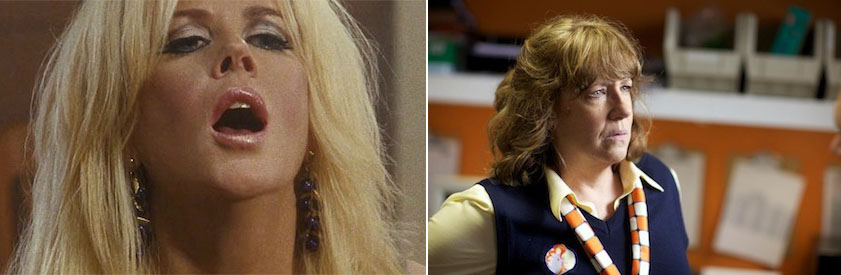
All eyes are on two actresses in particular for filling out this category: one is a big name and past Oscar winner, the other is a longtime working actress with little name recognition. The big name/past winner is Nicole Kidman, who plays a saucy sexpot in director Lee Daniels’ southern-fried drama, The Paperboy. Although the movie was generally derided, it did have some avid supporters (it received an extended standing ovation at the Cannes Film Festival), and Kidman was mentioned even that far back as a possible contender. But the movie’s poor reviews upon its US release in October seemed to knock Kidman out of contention…until she got surprise SAG and Golden Globe nominations. Now it’s just a question of whether the movie – or at least Kidman’s committed performance – are to the Academy’s tastes.
The other contender everyone is curious about is Ann Dowd, from the small indie movie Compliance. She plays a fast food restaurant manager who receives a phone call from a policeman claiming that a young, pretty employee at the restaurant has stolen from a customer, and that she must help him interrogate her until he can come to the location personally. As it turns out, something far more sinister is at play. Dowd has worked steadily since the early 90’s, appearing in such films as Philadelphia, Marley & Me, Apt Pupil and Flags of Our Fathers, and TV shows including Freaks and Geeks, The X-Files, Louie and, like every working actor under the sun, Law & Order (multiple versions, multiple times). I remember Dowd best for her brief but wonderful performance as Natalie Portman’s mother in Garden State. She won rave reviews for Compliance, but it was a surprise to everyone when the National Board of Review – considered to be one of the five major critics organizations handing out awards – named her the year’s Best Supporting Actress. Then the BFCA nominated her, and several other regional critics groups have done the same. Because Compliance was such a low-budget and low-grossing film, its distributor Magnolia Pictures could not afford to send DVD screeners to guild and Academy members. But seeing an opportunity to take her career to a new level, Dowd is self-financing a campaign in the hopes of getting voters to see the film and consider her work. Such efforts, when backed by notices from critics, do sometimes pay off. In 1987, Sally Kirkland landed a Best Actress nomination alongside Meryl Streep, Glenn Close, Cher and Holly Hunter for her film Anna, and in 1991 Michael Lerner’s efforts on his own behalf got him a Best Supporting Actor nomination for Barton Fink. A lot of people are rooting for Dowd, but she faces a steep uphill battle. (Compliance just came out on DVD this week, so I watched it last night. It’s a disturbing, thought-provoking movie, and Dowd is indeed excellent.)
Beyond the ladies mentioned, few other names are in the running. Academy darling Judi Dench has earned some deserved recognition for Skyfall, and newcomer Samantha Barks has been cited by some critics groups or Les Misérables, but both face long odds for an Oscar nomination. There’s been some talk around RoseMarie DeWitt for Your Sister’s Sister and Kelly Reilly for Flight, but that talk has been too quiet. Ditto for Emma Watson, who garnered a few nominations early in season from regional critics groups for The Perks of Being a Wallflower, but has lost what little steam she had. I wish the conversation included Salma Hayek for Savages, Susan Sarandon for Arbitrage and even Emily Blunt for Looper, but those are just wishful thinking.
Personal: Ann Dowd, Sally Field, Anne Hathaway, Salma Hayek, Susan Sarandon
BEST ORIGINAL SCREENPLAY
Michael Haneke – Amour
Quentin Tarantino – Django Unchained
John Gatins – Flight
Wes Anderson & Roman Coppola – Moonrise Kingdom
Mark Boal – Zero Dark Thirty
Mark Boal, who won this award for The Hurt Locker, and Wes Anderson, who hasn’t been nominated since The Royal Tenenbaums (and shares credit with Roman Coppola, son of Francis) are the category’s locks, and the only thing that keeps me from saying the same of Quentin Tarantino is Django‘s controversial subject matter. But I do expect QT to make the cut. Acclaimed foreign language films often find recognition from the writer’s branch, so Michael Haneke could be celebrated here rather than in the Best Director race (or in addition to a Best Director nomination). But I’m not convinced of his chances, nor of John Gatins’ for Flight.
The most likely alternates would be Paul Thomas Anderson for The Master and Rian Johnson for the crafty sci-fi film Looper. Flight, The Master and Looper were all nominated by the Writer’s Guild of America (as were Moonrise Kingdom and Zero Dark Thirty), but as always, it’s important to remember that the WGA deems films ineligible if they fail to meet certain criteria. Tarantino has never been a member of the guild, so his scripts never qualify for recognition. Shouldn’t be a problem for his Oscar chances. Haneke was also out of the running for the WGA. These notable ineligibilities allowed scripts dancing on the edge to slide in. The question is, of Flight, Looper and The Master, which is most “on the edge?”
Paul Thomas Anderson has been Oscar nominated for his Boogie Nights, Magnolia and There Will Be Blood scripts, and with all the critical acclaim, The Master might seem like a no-brainer. But I question its chances for the same reasons I brought up in the Best Picture section. With only five slots as opposed to Best Picture’s ten, I’m not sure where The Master will fall. I’m really intrigued to see how the Academy reacts to it. Meanwhile, Rian Johnson is considered one of the more original filmmaking voices working right now (he deserved a nomination in 2006 for his debut film, Brick), and Looper has received a number of wins and nominations from the critics. But is it really the Academy’s taste? They don’t often go for sci-fi, and when they do, the stories tend to have weightier issues than Looper offers (see District 9, Inception, Children of Men). I could see Looper being this year’s 50/50 – a film that garnered a lot of screenwriting honors last year, including a WGA nod, but was ultimately passed over by the Academy (sorry, Joseph Gordon-Levitt). Still the script is clever enough, and Rian Johnson admired enough by fellow writers, that he could easily earn his first nomination. Flight is probably the clearest “fringe” candidate here, an admired film all all around, but one that just doesn’t have quite enough muscle to punch through in most races other than Best Actor. In a weaker year, it would be firmly in contention for Best Picture and Best Director. So if it stands a chance anywhere else, this is the place. What would seem to be the story of a plane crash and its aftermath is really a deeper character study of a flawed man fighting his demons, and it’s an impressive piece of work.
There are some smaller, independent films that might have stood a better chance in a different year, including Damsels in Distress, Safety Not Guaranteed and Your Sister’s Sister, but they aren’t in play as things stand. The only film I could see popping up out of left field is Arbitrage, Nicholas Jarecki’s carefully-plotted dramatic thriller/character study. It’s set in the same world of financial power players as last year’s surprise nominee Margin Call. But although that film was considered a longshot, it was discussed as a possibility. I’ve heard little mention of Arbitrage as a contender here. Too bad.
Personal: Arbitrage, Django Unchained, Flight, Moonrise Kingdom, Zero Dark Thirty
BEST ADAPTED SCREENPLAY
Chris Terrio – Argo
Lucy Alibar & Benh Zeitlin – Beasts of the Southern Wild
David Magee – Life of Pi
Tony Kushner – Lincoln
David O. Russell – Silver Linings Playbook
Argo, Lincoln and Silver Linings Playbook are sitting pretty here. Life of Pi stands a strong chance, considering that the book has long been called unfilmable. However that may have been less a case of it posing challenges as an adaptation, and more about the technical challenges of having a tiger as a main character, interacting in extremely close proximity with a human. Will voters assign substantial credit to screenwriter David Magee for making the story work on film? I’m guessing yes, but I could be wrong. I haven’t read the book, but from what I understand, one of Magee’s major changes was the expansion of the story’s framing device, and the addition of a new character within that device to whom the adult Pi tells his story. I’ve seen even a few positive reviews of the movie describe these scenes as a bit clunky, so I wonder if that will matter.
Beasts of the Southern Wild is the other selection I could see going either way. It was not eligible for the WGA award, but I figure that its power and originality will impress fellow writers. Should voters decide against Pi or Beasts, they may turn to The Perks of Being a Wallflower. Stephen Chobsky adapted his own acclaimed, popular novel and directed the film, which received terrific reviews and has been cited by several critics groups so far, as well as the WGA. But again, I sense another 50/50 situation here – a movie that critics rally behind but that just doesn’t resonate with enough Academy members to land it a spot. It’s got a good chance, but it’s no guarantee.
Les Misérables could get swept up in what is sure to be a wave of nominations, but is it really seen as an achievement in screenwriting, especially when the dialogue is almost entirely sung? Another possibility – though a real longshot – is Cloud Atlas. Like Life of Pi, it was considered an unfilmable novel, but those who appreciated the film would probably praise Tom Tykwer, Andy Wachowski and Lana Wachowski for the creative choices they made in reworking the book’s structure for film.
Personal: Argo, Cloud Atlas, Lincoln, The Perks of Being a Wallflower, Silver Linings Playbook
BEST ANIMATED FILM
Brave
Frankenweenie
The Painting
ParaNorman
Wreck-It Ralph
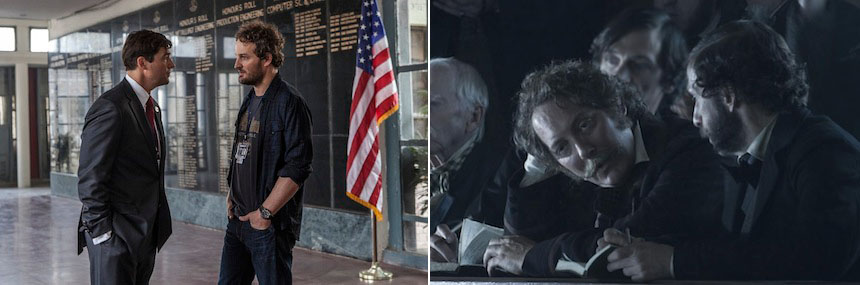
21 films were eligible for the award this year, meaning we’ll get a full slate of five nominees. And while there were enough strong offerings distributed by Hollywood studios to fill out the category, it’s likely that at least one of the nominees will be something from the foreign market that most American audiences have never heard of. Two such films – Chico and Rita and A Cat in Paris – broke into the race last year, displacing the mighty Pixar’s Cars 2. The previous year, France’s The Illusionist made the final list over hits like Despicable Me and Tangled, and The Secret of Kells came out of nowhere the year before that. With members of the animation branch clearly in touch with what’s happening in the broader field, expect one or two of the nominees to come from the world of indie animation (which usually means foreign). Kells, Chico, and A Cat in Paris were all distributed by a specialty company called GKIDS, which has four films on the eligibility list this year. InContention.com’s Kris Tapley provided a nice gallery-style rundown of most of the eligible films, and based on his descriptions and comments, my guess is that The Painting and The Rabbi’s Cat stand the best chance of breaking through. Beyond the GKIDS offerings, one promising contender could be A Liar’s Autobiography: The Untrue Story of Monty Python’s Graham Chapman, just due to universal love for Python. But given all these indie and foreign entries that I’ve never seen or heard of, I’m pretty much just throwing darts.
As for the films I’m more familiar with, there’s a chance that the similar ground covered by Frankenweenie and ParaNorman could result in one of them being left out. They’re both really good and I can’t imagine either being omitted, but if one is, and/or if another more mainstream film makes it in, Rise of the Guardians, Dr. Seuss’ The Lorax and The Pirates! Band of Misfits are the best bets. I found The Lorax to be muddled and disappointing, but it was nicely animated and a huge hit. Rise of the Guardians had its moments, but I don’t think it’s as good as any of the other movies I’m betting on. Pirates was amusing, and will appeal to branch members who like Aardman’s unique visual style, but I’m not sure it can go all the way.
It’s a shame that Studio Ghibli’s The Secret World of Arietty is not eligible, due to its 2010 release in Japan. Ghibli has another film in the running, called From Up on Poppy Hill, but it hasn’t yet received a wide release in the US.
Personal: Brave, Frankenweenie, ParaNorman, The Secret World of Arietty, Wreck-It Ralph
BEST CINEMATOGRAPHY
Danny Cohen – Les Misérables
Claudio Miranda – Life of Pi
Janusz Kaminski – Lincoln
Mihai Malaimare, Jr. – The Master
Roger Deakins – Skyfall
As we move into the below-the-line, crafts-oriented categories, it becomes apparent what a gorgeous year it’s been for film. This category, as well as Art Direction and Costume Design, boast a wealth of outstanding work that make it difficult to predict what will make the cut, and assuring that no matter what does, there will be excellent, deserving films left off the list. Life of Pi and The Master are probably on solid ground. Skyfall is a good bet too. I’m not sure about Les Misérables. The movie’s detractors cite the camerawork as one of their major problems with it, and initially I left it off my list. But this morning, the American Society of Cinematographers weighed in with their nominations, citing Anna Karenina, Les Misérables, Life of Pi, Lincoln and Skyfall. I originally included Django Unchained and Zero Dark Thirty among my five predictions, but that meant my list and the guild’s only had two films in common. It’s unlikely there would be that wide a gap, so I’ve adjusted my list. We’ll see if I should have stuck to my guns.
What else is in the running? Batman Begins and The Dark Knight both scored nominations in this category, but did The Dark Knight Rises add anything or raise the bar? Probably not. Beasts of the Southern Wild, Moonrise Kingdom, Cloud Atlas, The Impossible and ASC-annointed Anna Karenina all feature excellent work that could score here. I favor the latter two, and would also love to see Silver Linings Playbook under consideration, though I don’t think it will nab many votes. This category favors visually impressive work, whereas the camera in Silver Linings is more about bringing the audience into intimate proximity with its characters in a way that helps the storytelling but isn’t concerned with what’s “pretty.” (The same could be said of Zero Dark Thirty, but the section of the film that depicts the Navy SEAL raid raises its chances.)
Personal: Les Misérables, Life of Pi, The Master, Silver Linings Playbook, Skyfall

BEST FILM EDITING
Argo
Les Misérables
Lincoln
Silver Linings Playbook
Zero Dark Thirty
Argo and Zero Dark Thirty are in for sure (and happen to have an editor in common – William Goldenberg, who edited Argo solo and shared duties on Zero Dark Thirty with Dylan Tichenor). This category tends to largely coincide with Best Picture nominees, and in the days of five nominees in that category, three or four of them would usually land here too. Musicals also do well here, so Les Misérables is probably in. It could go either way with Lincoln and Silver Linings. I would love to see Cloud Atlas earn a spot, but there’s little reason to expect it will happen given the mixed reviews and poor box office. Skyfall could break in – well-respected and assembled action films sometimes do. The Hobbit: An Unexpected Journey should also be mentioned, if only because all three Lord of the Rings movies were nominated. But they were all up for Best Picture too, which probably won’t happen here. Their prestige status and potential as Best Picture nominees also puts Django Unchained, The Master, and Life of Pi on the list of possibilities.
Personal: Argo, Cloud Atlas, Les Misérables, Silver Linings Playbook, Zero Dark Thirty
BEST PRODUCTION DESIGN
Anna Karenina
Cloud Atlas
The Hobbit: An Unexpected Journey
Les Misérables
Moonrise Kingdom
Previously known as Best Art Direction, this category has been more accurately renamed as Best Production Design, since the award is given to Production Designers and Set Decorators…but not Art Directors. Still, the types of films recognized are unlikely to change, which is good news for period pieces and sci-fi/fantasy films. Meaning that at last, The Hobbit: An Unexpected Journey and Cloud Atlas have a chance. Cloud Atlas, in particular, scores on both counts thanks to its varied settings and time periods, from the mid-1800’s to a decaying urban metropolis in the year 2144.
Voters could decide that The Hobbit doesn’t offer enough from Middle Earth that we haven’t seen already, but I’m banking on it nonetheless. Wes Anderson’s movies always have a unique look, yet have never been nominated here before (The Life Aquatic‘s omission was the most glaring). The Art Directors Guild passed over Moonrise Kingdom in its nominations last week, but I have a good feeling that the movie’s lasting appeal and potential Best Picture nomination could help it here.
Although my guesses all have good odds, there’s some excellent work that could just as easily make the list. I’m probably making a mistake not including Lincoln, but I’m operating on a guess that it will take a backseat to flashier, prettier options. The Master and Argo are period pieces, but they’re relatively contemporary compared to the more ornate period films that tend to draw nominations like moths to a flame. Still, either one of them could slide in, as could the interstellar look of Prometheus. Life of Pi has a colorful storybook quality that might charm voters, and although no one else is talking about it, I would be remiss not to mention Dark Shadows, as Tim Burton’s movies are almost always Design contenders. The Shadows sets looked a bit fakey to me, and not in a deliberate, stylized way, so I don’t expect them to go the distance, but Burton films will always be considered.
Personal: Anna Karenina, Cloud Atlas, The Hobbit: An Unexpected Journey, Moonrise Kingdom, Prometheus
BEST COSTUME DESIGN
Anna Karenina
Django Unchained
Mirror Mirror
The Hobbit: An Unexpected Journey
Les Misérables
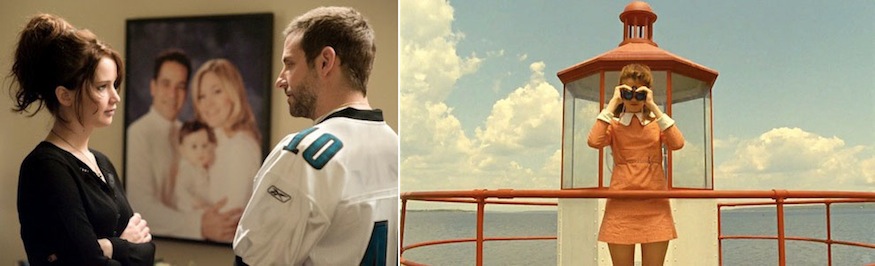
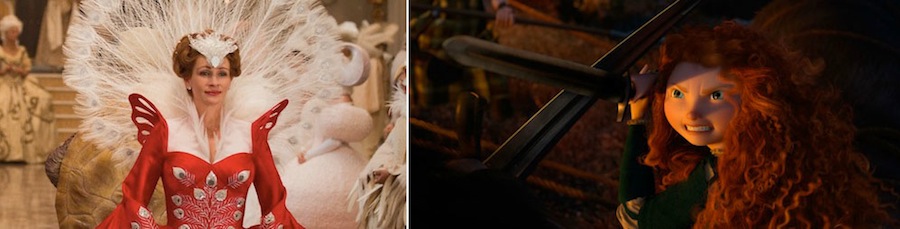
Once again, Academy members are faced with a wealth of great work and the inevitability of several films that deserve to win falling short of even a nomination. As with Production Design, period pieces are catnip to these voters, so Anna Karenina is the year’s champ when it comes to Oscar-friendly period frocks. If voters can remember all the way back to March, the colorful and elaborate costumes from Mirror Mirror should land a spot, and Snow White and the Huntsman stands a strong chance as well. Argo, A Royal Affair, Lincoln and Cloud Atlas all have a hat (or a ball gown or a tweed suit) in this tight race, as does Moonrise Kingdom. This is also another category where Tim Burton movies do well, so Dark Shadows is in the mix again, and probably has a better chance than it does for Production Design.
Personal: Django Unchained, The Hobbit: An Unexpected Journey, Les Misérables, Mirror Mirror, Moonrise Kingdom
BEST ORIGINAL SONG
Learn Me Right – Brave
Freedom – Django Unchained
Song of the Lonely Mountain – The Hobbit: An Unexpected Journey
Suddenly – Les Misérables
Skyfall – Skyfall
This has been a troubled category in recent years, hitting bottom last year when the absurd rules resulted in only two nominees. Responding to the negative feedback, the rules were changed last summer. Whereas the category had been operating under a point system so bizarre that a team of the world’s brightest mathematicians cried “bullshit” when asked to explain it, the music branch simplified things by reverting to an earlier system: members of the music branch will simply vote for up to five selections from the list of eligible songs, and the five songs with the highest tally will be nominated. Members will still judge the songs based on the clip from each movie in which the song appears (if it plays over the end credits, that’s the context in which voters will hear it), but now a DVD with all those clips will be sent to them, instead of the members having to attend a special screening.
So we have an assured slate of five nominees this year, which will be chosen from a whopping 75 eligible tunes. Don’t worry; I’m not about to cover all of them (although if that would interest you, TheWrap.com’s Steve Pond went through them all and offered his thoughts). With such a long list, trying to guess what five songs the music branch will go for is a fool’s errand. The only choices I feel safe with are “Skyfall” and “Suddenly.” New songs written for film adaptations of musicals by the original composers, as “Suddenly” is, almost always land a nomination. It happened with Evita, Dreamgirls, Chicago, The Phantom of the Opera, Little Shop of Horrors…and I expect it will happen here too. As for Adele’s seductive title track from Skyfall, I’m thrilled to see it qualify. Many pundits thought it wouldn’t, given that it incorporates traces of the original James Bond theme. The rules clearly state that a song’s words and music must be written specifically for the movie in question, so “Skyfall” was feared ineligible. But the branch came through…I’d like to think because they said, “Screw the rules; maybe Adele will perform at the Oscars!” Only three James Bond theme songs – the title tracks from Live and Let Die and For Your Eyes Only, and The Spy Who Loved Me‘s “Nobody Does it Better” – have been nominated before, but it would be a surprise and disappointment if “Skyfall” didn’t join them. Still, knowing how this branch has operated in the past, either song could miss the boat.
Rather than attempt to cover a small sampling of the 75 potentials, I’ll just mention two ineligible songs that I would really have liked to see here. The first is “The St. Valentine’s Day Massacre,” a great little rock tune written by E Street Band guitarist and Sopranos star Steven Van Zandt, from the movie Not Fade Away. Unfortunately, Van Zandt gave the song to a Swedish group called the Cocktail Slippers in 2009, when he produced their album, so it’s already been recorded and released. (Spotify users can listen to the movie version here.)
The other ineligible song that deserves to be here is “Safe and Sound,” the Taylor Swift/Civil Wars collaboration from The Hunger Games. This one is out of the running due to yet another of the music branch’s bonehead rules: a song which only plays over the end credits has to be the first song over the credits to qualify. In this case, “Safe and Sound” followed Arcade Fire’s “Abraham’s Daughter” (which is eligible, and is a cool song, but probably not the Academy’s taste). Seriously, this makes no fucking sense. If the song is written for the movie and is actually used in the movie (not just on the soundtrack album), it should be eligible. Period. Who gives a shit if it’s the second song in the credits?
Apparently the morons in the Academy’s music branch do.
The biggest problem with my predictions is that I like all the songs. Plus, the odds of three of my personal selections making the Academy’s list are slim. It’s almost certain that at least one overly earnest, sentimental or forgettable song will be included, so I should pick one from a higher profile movie just to boost my odds. Then again, if I’m bound to miss a couple anyway, I’d rather miss by predicting something good than something crappy.
Personal: Freedom, Who Did That to You (Django Unchained), Song of the Lonely Mountain, Safe and Sound, Skyfall
BEST ORIGINAL SCORE
Dario Marianelli – Anna Karenina
Alexandre Desplat – Argo
Mychael Danna – Life of Pi
John Williams – Lincoln
Thomas Newman – Skyfall
With Best Original Song, voters will often go with tracks from an obscure or lesser known film, but the Original Score nominees are always more mainstream and high-profile, so although there are 104 eligible scores, most of them can probably be discounted. Those I’m predicting, as well as the unduplicated choices on my personal list, all have a legitimate shot at the final five. Beyond those, I’d guess there are three strong possibilities, starting with Jonny Greenwood for The Master. His wildly original score for There Will Be Blood was disqualified for containing too much previously existing music, but The Master – while similar in style – hit no such obstacles. It’s definitely unique, but perhaps too much so for the music branch’s taste? I’m not sure. Danny Elfman’s Hitchcock score pays playful homage to an older era of Hollywood films (so does his Frankenweenie score, for that matter) and Hollywood itself, which could appeal to voters’ sense of fun and nostalgia. And Alexandre Desplat created another subtle but distinctive score for Zero Dark Thirty…not unlike what he did for Argo. I’d be surprised if both were nominated, and Argo‘s score has received more notices and attention. But maybe that’s just because it’s been out longer.
I’d like to think Cloud Atlas is a sure-fire nominee, but I have a feeling it won’t make it. I hope I’m wrong.
Personal: Beasts of the Southern Wild, Cloud Atlas, The Dark Knight Rises, The Hobbit: An Unexpected Journey, Lincoln
BEST MAKEUP AND HAIRSTYLING
The Hobbit: An Unexpected Journey
Lincoln
Men in Black 3
The name of this category has been changed from Best Makeup, to reflect that hairstyling is also supposed to be considered, and although that has always been the case, the nominees tend to focus more on the makeup and prosthetics. We’ll have to see if hair becomes reflected in the nominees more often as time goes on. I’m not sure it will.
As always, the Makeup and Hairstyling branch announced seven semi-finalists in December, and the three nominees will be chosen from that list through a bake-off event. In addition to my three guesses above, the remaining contenders are Hitchcock, Les Misérables, Looper and Snow White and the Huntsman. More consideration of hairstyling might have earned The Hunger Games a spot on that list, but no such luck. It also would have been nice to see The Impossible here, for the creation of wounds and injuries suffered by tsunami victims. Still, the most shocking omission is Cloud Atlas, which radically transformed all of its principal actors with multiple looks and styles, including different ages, races and genders. Sure, there were a few that looked a little awkward, but overall the work was fantastic, and boasted incredible variety. A disappointing oversight.
Looper‘s main use of makeup was making Joseph Gordon-Levitt look a bit more like Bruce Willis, but I’d be surprised if that’s enough to net a nomination. Transforming Anthony Hopkins into Alfred Hitchcock is more dramatic work, but really it just looks like Anthony Hopkins if he were heavier; he didn’t look anything like Alfred Hitchcock. Still, it’s a drastic enough alteration that it could make the grade. Snow White and Huntsman and The Hobbit feature the same kind of work – a lot of it used for dwarves – and there’s also a lot in common between Les Misérables and Lincoln. I think in the case of each pair, the latter will win out. The most fantastical contender of the bunch is Men in Black 3, which featured a wide variety of impressive creature designs from legendary artist Rick Baker. He’s won seven times, and will probably add a 12th nomination (13th, if you count one for Visual Effects) to his tally.
Personal: Cloud Atlas, The Hobbit: An Unexpected Journey, Lincoln
BEST VISUAL EFFECTS
The Avengers
Cloud Atlas
The Hobbit: An Unexpected Journey
Life of Pi
Prometheus
As is the case with Makeup and Hairstyling, the Visual Effects branch selects a list of semi-finalists, then holds a bake-off to showcase the work so members can vote for the nominees. In this case, there were ten shortlisted films, which will yield five nominees. In addition to those above, The Amazing Spider-Man, The Dark Knight Rises, John Carter, Skyfall and Snow White and the Huntsman are in play. The branch tends to overlook subtle or practical effects, which will probably eliminate Dark Knight and Skyfall. John Carter‘s effects looked a bit silly and overly CG, so I’m guessing that’s out too.
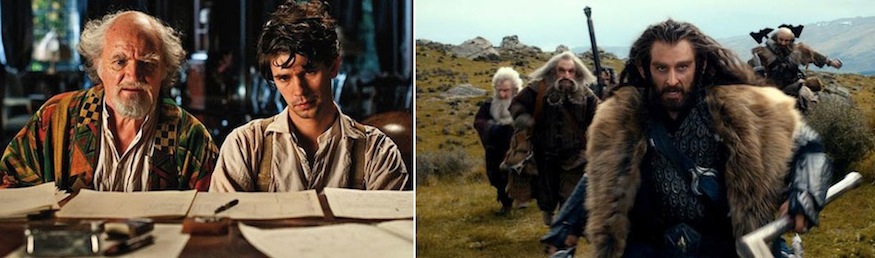
As for what’s in, The Hobbit and Life of Pi should be locks. The Avengers had a lot of different kind of complicated effects, and the work was top notch, so I’m sure it will make the list. While none of the work in Cloud Atlas or Prometheus breaks new ground, they both look great and the effects are nicely integrated into the respective stories. Still, either could conceivably be swapped out for Spider-Man or Snow White. If I recall, The Lizard – Spider-Man‘s villain – had a similar problem as John Carter‘s aliens; it looked too CG-fake, and might drag down the movie’s chances. But two of the three previous Spidey movies made the cut, so it has a shot. Snow White could go either way, and I wouldn’t be surprised to see it come through.
Personal: Same
BEST SOUND EDITING
The Avengers
Django Unchained
The Hobbit: An Unexpected Journey
Skyfall
Wreck-It Ralph
BEST SOUND MIXING
Argo
The Avengers
The Hobbit: An Unexpected Journey
Les Misérables
Zero Dark Thirty
Not much to say here, other than my annual declaration that I know little about sound editing and sound mixing, and even less about what members of this branch will be looking for or excited by. In the most basic and simplified terms, Sound Editing involves the creation in post-production of sounds that could not be captured while filming, and Sound Mixing involves the blending of all aural ingredients – from sound effects to dialogue to music – into a final package. Movies with a lot of action tend to dominate both categories, while musicals almost always find a place in Sound Mixing, along with prestige dramas such as past nominees Moneyball, The Social Network and The King’s Speech. Animated films – especially from Pixar – often land in both categories too, but if they only nab one of the two nominations, it’s usually Sound Editing. So Brave could wind up in one or both races, but I’m leaning toward Wreck-It Ralph, which has the more diverse soundscape when it comes to animation this year. Who knows. Based on past nominees, my own gut feelings, and a few other magical ingredients, these are my best guesses. I’m bound to get lucky on a few of them. But there are plenty of others that could find love in one or both of these categories, including The Dark Knight Rises, Lincoln, Prometheus, Looper, The Impossible, The Hunger Games, Life of Pi, Cloud Atlas, Flight or a dozen others I’ve failed to mention.
Personal: Every year, I advocate – to nobody in particular – for the sound categories to be combined into one, recognizing overall Sound Design. In that fantasy of mine (and in lieu of personal choices for the categories as they exist, since I wouldn’t know what to judge on), I’d go Argo, Django Unchained, The Hobbit: An Unexpected Journey, Les Misérables, Prometheus.
If you’ve made it this far, you are a disturbed individual, but I congratulate you.
There we have it. As usual, I’m not discussing Best Documentary, Best Foreign Language Film or any of the Best Short Film races, since my intake has been pitiful. As for everything else, we’ll see how I did when the nominees are announced by Emma Stone and this year’s Oscar host Seth MacFarlane tomorrow morning at zero dark thirty PST (actually about 5:38, but it will be dark enough).

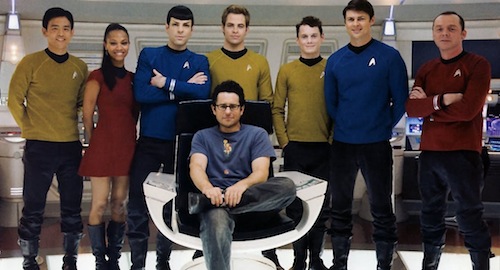
 Okay, that may be an overreaching attempt at a metaphor, but you get the idea. Star Wars needs to be placed in capable directorial hands, and Abrams fits the bill. In an email thread discussing the selection on Friday, a friend of mine said he had hoped for more of an “actor’s director;” someone who could handle the action and special effects but whose most obvious gift was for coaxing performances. I wanted essentially the same, writing in November that I hoped the chosen director would be someone “who has shown skills handling mainstream content with good performances, editing and storytelling.” My friend likes Abrams well enough, but doesn’t think he’s the guy who can deliver that. I think he can. I see Abrams as a guy who can bring the spectacle, the humanity and the humor, and who can put it all together in a good-looking, skillfully assembled package. His entry in the Mission:Impossible franchise is my favorite of that series; 2009’s Star Trek did the legacy proud; and the pilot episode of Lost, for which he won a Best Director Emmy award, is two spectacular hours of television. His last movie, Super 8, was an homage to early Spielberg, but while I had problems with some of its sci-fi aspects, it really worked for me on a character level (although we all have our own radar for these things; my Abrams-resistant friend found the movie’s character development and quieter, “human” scenes to be lacking).

 His second challenge may be the thing that caused him, and probably others, to turn down the movie in the first place: reverence for the first three movies. Abrams has said on several occasions that one of the reasons taking on the Star Trek reboot appealed to him was that he was never much of a Trekkie/Trekker, and so he didn’t feel beholden to its legacy when relaunching it. That won’t be the case here. Abrams has often spoke about what an influence Star Wars was and how avid a fan he is. He cited that as one of the reasons he initially passed when Emperor Kennedy came calling with the keys to the Millennium Falcon. The burden of hopes and expectations that fans will place on his shoulders will be second only to those he places on himself. But you don’t get to be where Abrams is without a lot of confidence. So switch off the targeting computer, J.J. Lower the blast shield. Feel the Force flowing through you, and let it guide your instincts. And go ahead and read some of the articles that have popped up all over the web about what fans are looking for from the new movies. There’s plenty of good advice to be gleaned. Here’s one, from The Playlist. (Michael Arndt, you should be reading this stuff too.) Here also are a few articles about some Abrams trademarks that may or may not find their way into the new movie, again courtesy of The Playlist, as well as Vulture and TV Guide.


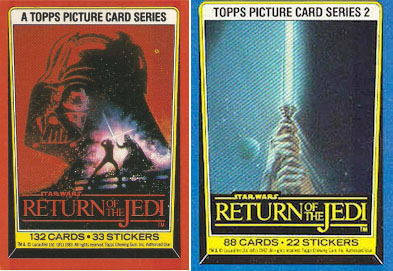 With most of these cards, there were usually at least two series, distinguished by different colored borders. With Return of he Jedi, for example, there was a 132-card set with red borders, and an 88-card set with blue borders. While I had both, it was the red-bordered set that I came nearest to completing. Problem is, when you would have most of the cards in a series, continuing to buy new packs was a maddening endeavor since you were all but guaranteed a bunch of doubles. With each pack bought and each plastic wrapper peeled back, it was like hoping to find one of Wonka’s Golden Tickets. If you flipped through the eight or ten cards and actually found one of the few you still needed, the elation would nearly match what Charlie Bucket experienced when he finally found his slip of gold, and there was no “Mr. Slugworth” on hand to spoil the triumph.
 I hadn’t really done anything wrong. So I opened a pack of cards without buying it. It’s not like it was a carton of food that was going to spoil. It’s not like I licked that thin, rock-hard stick of gum those packs of cards always included. But I still left the store in a panic, feeling guilty and stressing about what would have happened if he had banned me from the store. How would I have explained to my parents why I could never return there? Card collecting had driven me to the fringes of the criminal life. Even now, I sometimes awake suddenly in the night, broken out in cold sweat over the haunting memory of being briefly suspected of pilfering a pack of Dick Tracy cards.

 I know that Les Misérables has received mixed reactions and that its detractors have issues with Hooper’s direction, but honestly, many of the complaints about his style – things which drove me crazy in The King’s Speech and his HBO miniseries John Adams – didn’t bother me at all in Les Misérables. It’s not even that they didn’t bother me; it’s that I didn’t notice them. I was so caught up in the story, the music and the scale that his

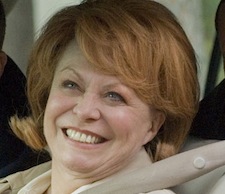 I feel foolish for not even mentioning Jacki Weaver as a possible nominee for her role as Bradley Cooper’s loving mother in Silver Linings Playbook. Not many people were expecting her to be nominated, but she was enough on the periphery that I should have included her as a possibility. And it was a nice surprise to hear her name called. Unlike her co-stars Cooper, De Niro and Jennifer Lawrence, she has no big moment or obvious “Oscar clip” scene where she gets to take center stage. But in essence, hers is a performance that defines the category. She provides pitch perfect support to the story, and even without the kind of showcase moment that’s usually required to get an actor nominated, Weaver adds indelibly to the fabric of the movie. Her performance goes a long way toward making the family dynamic believable and relatable.

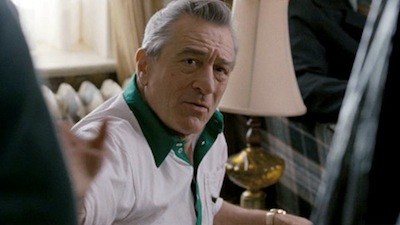 It’s the most wonderful time of the year. No, not because of Christmas; because ’tis the season of movie awards! The Oscar nominations are less than a month away (begin to mentally prepare yourself for my usual, agonizingly deep immersion into that), but in the meantime, national and regional film critics groups are rolling out their accolades. This week saw nomination announcements for the Golden Globes, Screen Actors Guild Awards and Broadcast Film Critics Awards. And among the Best Supporting Actor nominees put forth by two of those three groups (the Globes denied a hat-trick) was Robert De Niro, for his performance as Bradley Cooper’s superstitious, football-obsessed father in Silver Linings Playbook.

 –Last Vegas, with De Niro, Kevin Kline, Michael Douglas and Morgan Freeman as four buddies who go to Vegas for a bachelor party when one finally decides to get married. Great cast, and these guys will surely play nicely off each other, but you can almost see the script being assembled by a studio marketing team.

 I Am DB